
Mesothelioma and Asbestos Awareness Center

Archive for July, 2007

EPA Retesting New Asbestos Removal Technique

Friday, July 27th, 2007

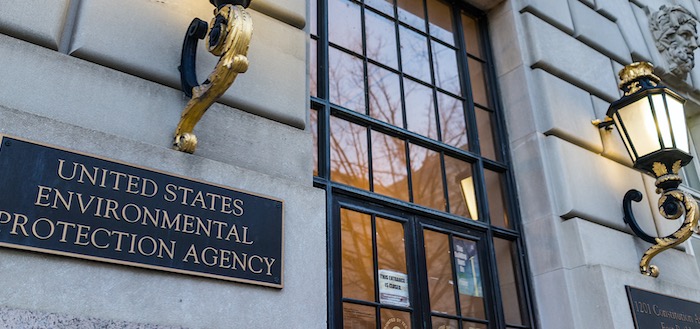
Earlier this week, the Environmental Protection Agency (EPA) announced its intention to conduct a second test of asbestos removal Saturday at Fort Chaffee, using a newly-developed alternative method for abatement.

According to an article in the Arkansas Times-Record, this test and the ones previously conducted could result in the approval of a method that would “result in significant cost-reductions for asbestos removal around the country.”

The first test, conducted in April 2006, involved two buildings at Fort Chaffee on which two different abatement methods were used: the current National Emissions Standards for Hazardous Air Pollutants (NESHAP) method on one building and the new Alternative Asbestos Control Method (AACM) on another.

When test results were released, the figures showed the AACM process cut costs by half, was five times faster, and also decreased hazardous risks to workers.

With the new process, no material is removed from the structure, explains the article. Instead, amended water – a sort of chemical foam much like dishwashing detergent - is mixed in with water from a hydrant and sprayed outside and inside the structure.

The next day, the building is demolished while, at the same time, being sprayed with the amended water. About 3 inches of topsoil, along with the demolished structure, is then taken to a designated landfill that accepts asbestos-containing material.

David Gray, director of the EPA’s office of external affairs in Dallas, said that the completion of a second test to determine what other asbestos-containing materials can be removed safely using the process is “key to getting the new method included in the EPA regulations.”

The second test will involve transite materials, says Gray, such as asbestos-containing shingles and siding. The EPA will also erect a white plastic sheet behind the structure to find if it can block some of the debris from reaching buildings that could be near demolition sites, such as in a residential area.

Airport Control Towers Full of Asbestos

Thursday, July 26th, 2007

Airport Control Towers Full of Asbestos According to representatives from the National Air Traffic Controllers Association and the Professional Airways Systems Specialists, some of the nation’s many air-traffic control towers are plagued with deteriorating conditions, including exposed asbestos, toxic mold, and a variety of pests like bats and wasps.

In a report to Congress, members of these organizations said the deplorable conditions are “endangering airplane passengers and threatening the health of air-traffic controllers, union officials and equipment repairmen.”

“That’s intolerable,” responded Rep. James Oberstar, a Minnesota Democrat who is chairman of the House Transportation and Infrastructure Committee. He and other lawmakers scolded the Federal Aviation Administration for failing to ask for as much fix-up money as Congress had suggested, reports an article in the Louisville Courier-Journal.

Neglected buildings are in dire need of maintenance and repair, including removal of dangerous “friable” asbestos, but the FAA is ignoring cries for help, according to the National Air Traffic Controllers Association and the Professional Airways Systems Specialists.

“Congress recognized the problem, Congress authorized the money, but the FAA did not use the money,” said Rep. Jerry Costello, D-Ill., chairman of the panel’s aviation subcommittee, which held the hearing.

Pat Forrey, president of the controllers association, said the FAA has failed to answer pleas from controllers to fix chronic and dangerous conditions at dozens of sites.

“Aging air-traffic control facilities have not been a priority for the FAA,” he said.

Forrey added that many controllers are suffering from respiratory problems, skin rashes, and other ailments that may be a result of exposure to asbestos or mold.

Asbestos at Library has Created Major Health Risk

Thursday, July 26th, 2007

Renovations at the New South Wales State Library in downtown Sydney, Australia have exposed hundreds of patrons to asbestos, notes an article in the The Advertiser newspaper.

Work safety authorities stopped renovations on the library earlier this week after members of the Construction Forestry Mining Energy Union (CFMEU) alerted the organization to the asbestos find. One union official said the discovery of the asbestos has put “countless lives at risk.”

CFMEU NSW assistant secretary Brian Parker also believes that the health of many has been compromised due to attempts to cut corners on the job.

Mr. Parker said the asbestos was detected on Monday but the builder failed to get a licensed industrial hygienist to assess the contamination and determine safe ways to remove it. Workers and members of the public passing by the site had been exposed to the risk until WorkCover - the State’s workplace safety, injury management, and workers compensation system - shut down the site, he said.

“The lives of building workers and members of the community who access the library have been put at risk because the builder… breached basic health and safety laws,” Parker said.

A spokesman for the builder, Safin Corporation, was unavailable for comment.

Airport Control Towers Full of Asbestos

Thursday, July 26th, 2007

According to representatives from the National Air Traffic Controllers Association and the Professional Airways Systems Specialists, some of the nation’s many air-traffic control towers are plagued with deteriorating conditions, including exposed asbestos, toxic mold, and a variety of pests like bats and wasps.

In a report to Congress, members of these organizations said the deplorable conditions are “endangering airplane passengers and threatening the health of air-traffic controllers, union officials and equipment repairmen.”

“That’s intolerable,” responded Rep. James Oberstar, a Minnesota Democrat who is chairman of the House Transportation and Infrastructure Committee. He and other lawmakers scolded the Federal Aviation Administration for failing to ask for as much fix-up money as Congress had suggested, reports an article in the Louisville Courier-Journal.

Neglected buildings are in dire need of maintenance and repair, including removal of dangerous “friable” asbestos, but the FAA is ignoring cries for help, according to the National Air Traffic Controllers Association and the Professional Airways Systems Specialists.

“Congress recognized the problem, Congress authorized the money, but the FAA did not use the money,” said Rep. Jerry Costello, D-Ill., chairman of the panel’s aviation subcommittee, which held the hearing.

Pat Forrey, president of the controllers association, said the FAA has failed to answer pleas from controllers to fix chronic and dangerous conditions at dozens of sites.

“Aging air-traffic control facilities have not been a priority for the FAA,” he said.

Forrey added that many controllers are suffering from respiratory problems, skin rashes, and other ailments that may be a result of exposure to asbestos or mold.

Day at the Beach Could Cause Asbestos Exposure

Wednesday, July 25th, 2007

Illinois State Beach attracts approximately 2 to 3 million visitors a year, but according to a report by the United States Environmental Protection Agency (EPA), each and every one of those visitors could be putting themselves at risk for asbestos exposure.

According to a report on NBC-5 Chicago, asbestos was first discovered on the beach 10 years ago and the EPA still questions “the safety of human use of the beaches.” However, state and federal regulators say the beach is safe and admit to knowing little about outdoor exposure to asbestos.

In an interview with Jeff Camplin, a local health and safety expert, Camplin told reporter Carol Marin that the most dangerous form of asbestos – amphibole – has been found on the beach and in a number of air samples over the last decade.

Signs are posted at various spots on the beach, warning swimmers and sunbathers of ACM – Asbestos Containing Material. Still, families come in droves to enjoy the beach, but not without anxiety.

“Yeah. Sure. I’m making sure the kids are taking showers when they get home and are all cleaned up and everything,” said local resident Sara Anderson, who brings her children to the beach quite often.

The cause? More than likely it’s the old Johns-Manville plant at the south end of the park. Though it’s been empty for quite some time, for seven decades it produced a variety of asbestos-containing products. It’s now a designated EPA Superfund Site. Other potential sources include old demolished homes along the beachfront, most of which were built using asbestos-containing products.

Other beaches where asbestos has been found include Oak Street Beach, by far the city’s most popular beach, packed with wall-to-wall people on pleasant summer weekends.

Steel Workers Win $3.97 Million in Asbestos Case

Wednesday, July 25th, 2007

The families of three former Bethlehem Steel workers were awarded $3.97 million in a Maryland asbestos case the plaintiffs’ attorney said was the first of hundreds of such cases.

According to an article in the Insurance Journal, the plaintiffs had sued General Electric in Baltimore Circuit Court in regards to asbestos-lined industrial brakes used in cranes and other equipment at the mill. Attorneys for the plaintiffs told the newspaper that “juries are willing to give awards in industrial brake cases similar to those in automotive brake cases.”

“The brake manufacturers and General Electric had taken a fairly strong position that they didn’t want to pay what people in Baltimore have received for asbestos-related injury claims, and I think this points out to them that the injuries from the brakes are just like the traditional brake cases and the values are similar,” Edmonds said.

The three steelworkers in question, Henry Copland, Dennis Ellison and Elihu Alford, died of mesothelioma, an asbestos-caused lung cancer, which their families believed was caused by the brakes on cranes and the mill motor used to transport steel. GE claims its brakes did not give off dangerous fibers and that the men’s cancer was caused by other materials at the Sparrows Point steel mill.

Copland’s family received $1.205 million, Ellison’s family received $760,000 and Alford’s family was awarded $1.96 million. Edmonds had asked for between $3.5 million and $5 million per family, based on government figures for computing the value of a human life.

Originally, 20 defendants were part of this suit, but the others were dismissed or settled prior to the trial.

Con Ed Designing Asbestos Removal Plan for NY Explosion Site

Tuesday, July 24th, 2007

Tenants and residents waiting to return to their homes and businesses near 41st and Lexington will have to wait until Consolidated Edison devises a plan to remove asbestos from the crater caused by last week’s steam pipe explosion.

According to an article in the New York Times, before crews can make underground repairs, Consolidated Edison officials first must present a plan to the city’s Department of Environmental Protection for removing toxic asbestos from the hole, said Andrew Troisi, a spokesman for the city’s Office of Emergency Management.

Yesterday was the first day that crews from Con Edison and other utilities, like Verizon Communications, made their way into the crater to assess the damage. They were accompanied by representatives from the Environmental Protection Agency. Besides asbestos, they located a leaking water main.

Until the asbestos is removed, Con Ed will be unable to restore steam to at least five buildings around the explosion site near Grand Central Terminal. The businesses use steam to power their heating and air conditioning systems. In the meantime, business tenants were losing both patience and dollars as they were unable to retrieve important papers, computers, and other tools necessary to continue with business as usual.

High School Asbestos Concerns Linger

Monday, July 23rd, 2007

Parents and staff members at a Fullerton, California high school remained concerned about asbestos exposure, even after renovation projects have been completed.

Members of the Troy High School community met Monday at the school to hear Dr. R.J. Maurer, director of occupational health at St. Jude Medical Center, discuss health issues related to asbestos. Teachers, students, parents, and staff were worried about the residual effects of the asbestos-related carpet removal which took place at the school in 1999 as well as the two-year modernization process from 2005 to 2007, which may have released asbestos into the air, says an article in the Orange County Register.

Maurer gave an “overview of air quality exposure and latency,” said the article. He told the concerned crowd that in his more than 30 years of medical practice, he hadn’t encountered any patients with mesothelioma, an asbestos-caused cancer. He explained that the disease remains latent for up to 40 years and that the majority of those affected have been employed in shipyards or other industries where they worked with the dangerous mineral on a daily basis.

Some disagree with the doctor’s opinion. Judy Haag, who has worked in a Troy office for 26 years, said she has been experiencing shortness of breath for three years.

“Over and over the doctors ask if I was exposed to asbestos and chemicals,” she said. “The vent above my desk was filled with white powdery stuff that fell out. But I’m more upset that those of us who used to work at Troy were not notified about this situation.”

The district maintains, however, that the amount of asbestos in the air was well within acceptable levels.

West Dallas Residents May Have Been Exposed to Asbestos

Monday, July 23rd, 2007

Hundreds of West Dallas (TX) residents showed up at an area hospital this weekend to be tested for possible lung ailments, caused by exposure to asbestos from a local vermiculite processing plant.

A story on WFAA-TV Dallas/Fort Worth profiled the saga of scores of West Dallas residents who’ve been suffering from various respiratory ailments. Recently, these concerned residents found out that the cause of their problems may be the W.R. Grace Texas Vermiculite plant that closed 15 years ago in their neighborhood.

So many of the affected showed up at Parkland Hospital on Saturday that many were turned away and the hospital had to schedule another screening session for Sunday afternoon.

“I would like to know before I leave here, just how bad my body has been destroyed,” said West Dallas resident Linda Williams.

Williams has suffered from chronic bronchitis, shortness of breath, and fluid build-up in her lungs. She hopes this x-ray will help her understand the source of some of her medical problems but it won’t begin to answer her questions.

“Right now, we’re damaged goods and we want to know who’s responsible,” she said.

Anyone who either worked, or lived within a quarter mile radius of the plant during the 40 years it made insulation is being screened, the story explained.

“When we lived in the projects you know, the windows were open, and then the smokestacks, all of that smoke would come into the windows,” said Augustine Raymundo.

Violet Bowens, who found a spot on her lung, says all of her children have been sick. Now she worries for the next generation.

“Then I have grandchildren that are sick. Learning disabilities and just, you name it. And you think it’s all connected? I think all of that is connected,” she said.

Family Sues Oil Giants for Asbestos Exposure

Friday, July 20th, 2007

The family of a late Port Neches (TX) refinery worker is suing Chevron USA and Texaco for negligently exposing their benefactor to asbestos during his employment at a plant there.

According to an article in the Southeast Texas Record, Lee Robinson Sr. worked as an operator for Neches Butane, where he allegedly contracted an asbestos disease, “specifically lung cancer, for which he died a painful and terrible death on Dec. 14, 2006.”

The suit was filed on behalf of Lois Robinson and her children Jeanie, Lee and Stephen, with the Jefferson County District Court. It states that “during Robinson’s employment as an operator, he used and was exposed to toxic materials including asbestos dust and/or fibers. As a result of such exposure, Robinson developed an asbestos-related disease, specifically lung cancer…”

Like most asbestos suits, this one also alleges that the oil giants knew of the dangers of working with asbestos but allowed their employees to continue without regard for their health or safety. The suit also states that Chevron USA and Texaco “failed to take the necessary engineering, safety, industrial hygiene and other precautions and provide adequate warning and training to ensure that the deceased was not exposed to the asbestos-containing products.”

FREE Book and Information Packet


RSS Feed

Related Topics:

News
Read more news articles.