



Blog
Our blog is a timely voice for cancer patients, caregivers, and those seeking information about mesothelioma and asbestos-related topics. By providing relevant news, personal stories, and practical insights, we will further spread awareness and nurture hope with the goal of one day eliminating mesothelioma.
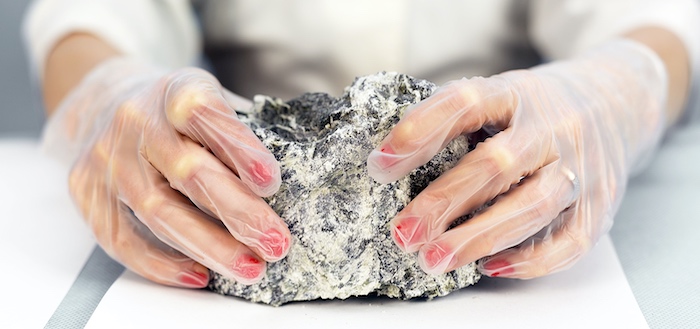
EPA Confirms All Six Current Asbestos Uses Are a Health Risk
At the end of 2020, the Environmental Protection Agency (EPA) published a Final Risk Evaluation for Asbestos, Part 1: Chrysotile Asbestos. The evaluation looked…

Pennsylvania Students Put at Risk After Asbestos Contamination Cover-up
Officials at a Pennsylvania school district were notified of asbestos and lead contamination in several schools. The district’s officials did not clean up the…

Expanding Availability of TTFields for Mesothelioma Patients
Tumor Treating Fields (TTFields) are a newer treatment option in the mesothelioma community. TTFields target mesothelioma cancer by producing low-intensity electrical currents. These disrupt…
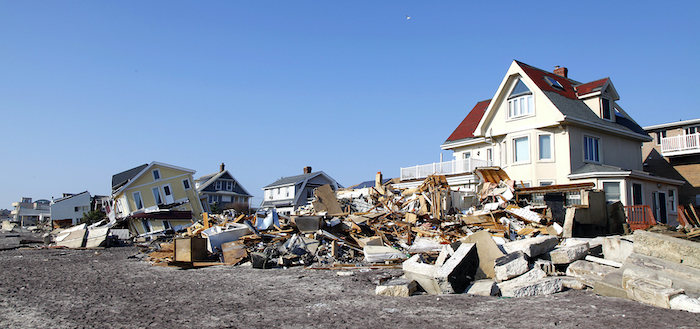
Dangers From Asbestos Debris on Beaches
Asbestos can end up on beaches after a hurricane, flood or other natural disasters. Severe weather can damage asbestos-containing structures and create asbestos debris.…

GATA3 Biomarker Signals Survival Differences in Male and Female Mesothelioma Patients
Researchers in Australia studying the biomarker GATA3 found female patients with the biomarker typically have more favorable survival rates than male patients with the…

Libby, Montana Residents Face Unique COVID-19 Challenges
As coronavirus cases increase in the United States, Libby, MT faces a unique challenge. Many Libby residents are at high risk of COVID-19 health…
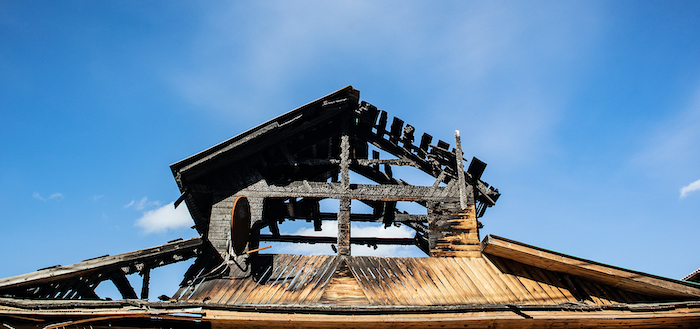
U.S. Wildfires Raise Asbestos Concerns
State officials in the western United States are concerned recent wildfires may create an asbestos risk. Wildfires continue to destroy old buildings and homes,…
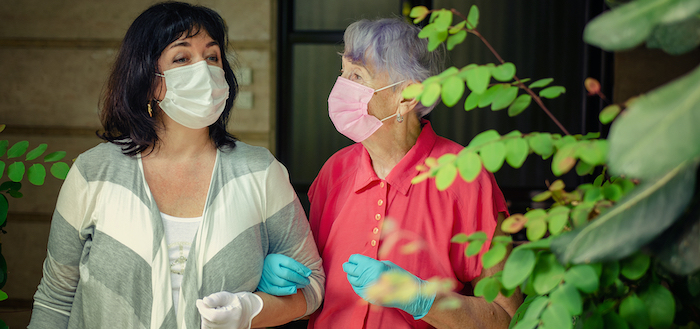
Caring for a Loved One With Mesothelioma
Mesothelioma patients often rely on a loved one as their primary caregiver. There are several aspects individuals should consider when becoming a caregiver. Mesothelioma…